Protein Hummus Veggie Plate
Highlighted under: Party Platter | Finger Food
I love serving up this Protein Hummus Veggie Plate when I want something healthy yet satisfying. The creamy hummus laced with protein pairs perfectly with a colorful array of fresh vegetables. It’s not just nutritious; it's also a treat for the eyes. I often prepare this for gatherings or snack days at home, and it's always a hit! The beauty of this recipe is in its simplicity and versatility, allowing you to mix and match veggies based on your preferences.
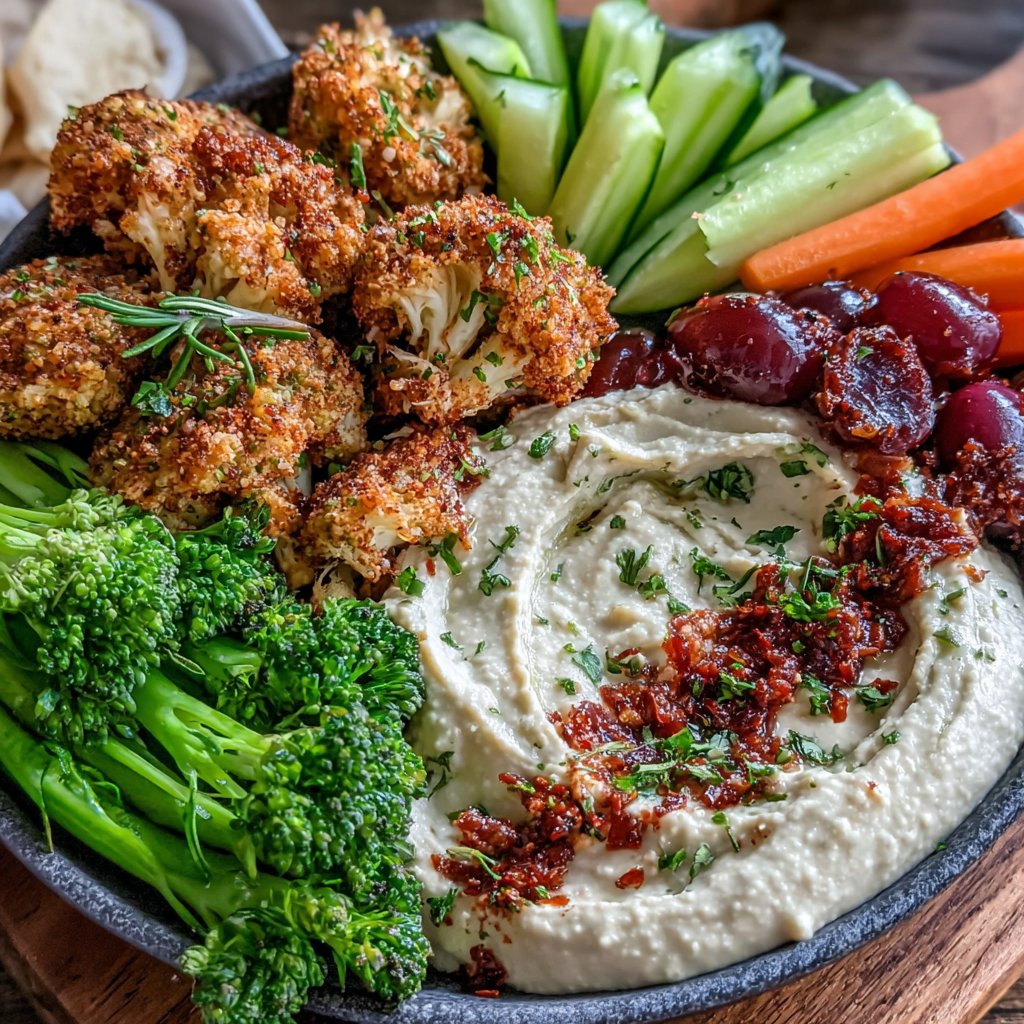
When I first created this Protein Hummus Veggie Plate, I wanted something quick and nutritious without compromising flavor. Combining chickpeas with tahini and spices creates a robust base rich in protein that keeps me full for hours. Experimenting with different spices like smoked paprika and lemon zest has helped elevate the taste, making every bite refreshing.
What often surprises me is how versatile this plate can be. While I typically stick to carrots and cucumbers, I've discovered that roasted red peppers and radishes add a delightful crunch. Plus, I suggest serving the hummus cold or at room temperature since that enhances its flavor profile even more!
Why You'll Love This Recipe
- A protein-packed snack that keeps you energized.
- Vibrant colors and textures make it visually appealing.
- Quick to prepare, perfect for last-minute gatherings.
The Importance of Quality Ingredients
When making your Protein Hummus Veggie Plate, the quality of the ingredients significantly impacts the final flavor and texture. Choosing high-quality extra virgin olive oil enhances the smoothness of the hummus while contributing a rich, peppery note. Similarly, fresh, ripe lemon juice brightens the mixture, providing that zing that lifts the other flavors. If you can, opt for organic chickpeas, as their superior quality results in a creamier consistency. Avoid canned varieties loaded with preservatives, and instead, soak and cook dried chickpeas to achieve the best results.
The vegetables you select also play a crucial role. Crisp cucumbers, vibrant bell peppers, and sweet cherry tomatoes not only offer diverse textures but also a spectrum of flavors that complement the hummus well. For an added crunch, consider incorporating celery sticks or jicama, which provide a watery, refreshing bite. When preparing, look for veggies that are firm and brightly colored; this indicates freshness and improves both taste and presentation.
Customizing Your Hummus
This hummus recipe is a fantastic base that you can customize to your liking. Feel free to experiment with different flavor profiles by adding roasted garlic for a milder, sweeter taste or a teaspoon of ground cumin for an earthy depth. For a spicy kick, blend in a pinch of cayenne pepper or a tablespoon of harissa. If you're looking to reduce calories and fat, substitute Greek yogurt for part of the tahini, which maintains a creamy texture while boosting protein content.
If you enjoy experimenting with textures, consider incorporating a tablespoon of sunflower seeds or sesame seeds into your hummus mixture. This not only adds a nutty flavor but also a delightful crunch. Additionally, adjusting the water content by adding more or less can help you achieve your desired consistency – whether you prefer a thick dip or a smoother spread for sandwiches.
Serving and Storing Tips
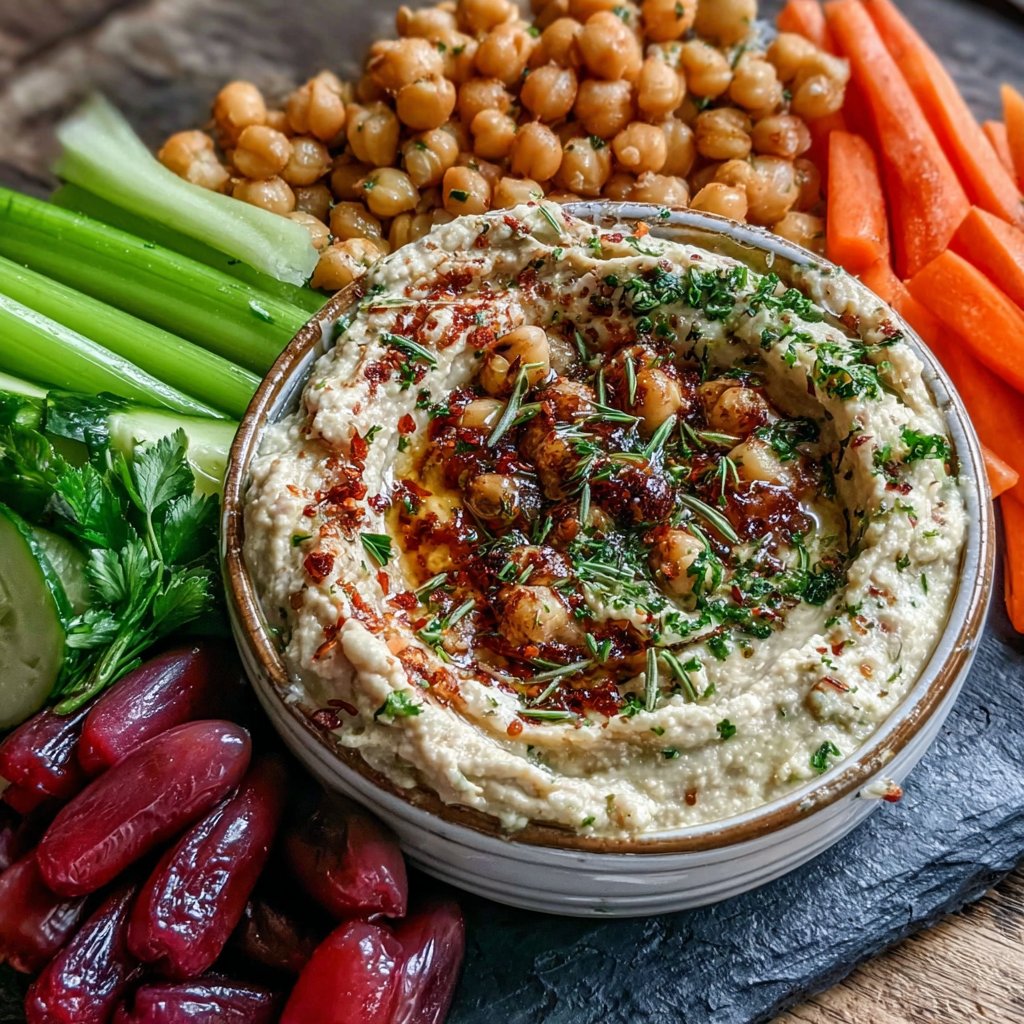
For serving, presentation is key! Instead of simply spooning the hummus into a bowl, consider creating a swirl on the surface with the back of a spoon and drizzle a bit of olive oil over the top. Garnish with a sprinkle of paprika or chopped parsley for an inviting look. Serve with a variety of dipping options, such as whole grain pita chips or sliced baguettes, to enhance the experience and keep things interesting for your guests.
When it comes to storage, homemade hummus can be kept in an airtight container in the refrigerator for up to a week. If you’re prepping ahead for gatherings, consider portioning it out into smaller containers. You can freeze leftover hummus for up to three months, but ensure it's well-sealed to avoid freezer burn. Just remember to allow it to thaw in the fridge and stir well before serving, as it may separate slightly during storage.
Ingredients
Hummus
- 1 cup chickpeas, drained and rinsed
- 1/4 cup tahini
- 2 tablespoons olive oil
- 2 tablespoons lemon juice
- 1 garlic clove, minced
- Salt and pepper to taste
Vegetables
- 1 cup cucumber, sliced
- 1 cup carrots, cut into sticks
- 1 cup bell pepper, sliced
- 1 cup cherry tomatoes, halved
- 1 cup radishes, sliced
Instructions
Instructions
Steps to Prepare
Make the Hummus
In a food processor, combine chickpeas, tahini, olive oil, lemon juice, garlic, salt, and pepper. Blend until smooth and creamy. You can add water a tablespoon at a time if it's too thick.
Prepare the Veggies
While the hummus is blending, wash and slice your chosen vegetables into bite-sized pieces for easy dipping.
Serve
Spoon the hummus into a serving bowl and arrange the vegetables around it. Enjoy your fresh and nutritious Protein Hummus Veggie Plate!
Pro Tips
- Don’t hesitate to add your favorite spices or herbs to the hummus to customize the flavor. Fresh herbs like parsley or even a sprinkle of paprika can elevate its taste.
Nutrition Benefits
This Protein Hummus Veggie Plate not only looks beautiful but also packs a healthy punch. Chickpeas are an excellent source of plant-based protein and fiber, which can help keep you feeling satisfied and full longer. This is especially beneficial for those looking to maintain energy levels throughout the day. The olive oil adds healthy fats, aiding in the absorption of fat-soluble vitamins found in the veggies, like vitamins A and K, further enhancing the nutritional profile of your snack.
Moreover, the assorted vegetables contribute a spectrum of vitamins and minerals. For instance, bell peppers are rich in vitamin C, which is essential for immune function, while carrots provide beta-carotene for eye health. Each vegetable brings its unique set of health benefits, making this plate not only visually appealing but also a nourishing choice for any diet.
Scaling the Recipe
One of the great advantages of this Protein Hummus Veggie Plate is its scalability. Whether you're preparing for an intimate gathering or a larger party, the recipe can be easily adjusted. To serve a crowd, simply multiply the quantities of chickpeas and tahini for the hummus, and increase the vegetable portions accordingly. Remember to serve the hummus in a larger bowl and create an enticing display with the veggies arranged around it.
If you're short on time, consider using store-bought hummus as a quick alternative. Just be sure to enhance it with drizzle of olive oil and a sprinkle of spices or fresh herbs for a homemade touch. This way, you can still serve a delicious and colorful snack plate without spending hours in the kitchen.
Flavor Pairings and Variations
This recipe offers an exciting platform to explore different flavor pairings and variations. For an Italian twist, consider adding sun-dried tomatoes or fresh basil to the hummus before blending. Similarly, adding roasted red peppers can give a smoky depth that contrasts beautifully with the fresh veggies. I love to try out new flavors, and these additions always impress guests at gatherings.
For those who enjoy a Mediterranean flair, adding olives and feta cheese on the side can elevate the dish. These ingredients complement the hummus and the fresh vegetables, creating a delightful fusion of flavors. Additionally, switching up the dipping veggies can keep things interesting; think of using steamed asparagus, blanched green beans, or even grilled zucchini for a different flavor profile, especially in warmer months.
Questions About Recipes
→ Can I make the hummus in advance?
Absolutely! The hummus can be prepared a day ahead and stored in an airtight container in the fridge.
→ What other vegetables can I use?
Feel free to use any crunchy veggies you love, such as celery, snow peas, or even broccoli florets.
→ Is this recipe vegan?
Yes, this Protein Hummus Veggie Plate is entirely vegan and packed with plant-based proteins.
→ How long can I store leftovers?
The hummus can be kept in the fridge for about 5 days, while fresh veggies are best enjoyed within 2-3 days.
Protein Hummus Veggie Plate
Created by: The Quickflavors Team
Recipe Type: Party Platter | Finger Food
Skill Level: Easy
Final Quantity: 4 servings
What You'll Need
Hummus
- 1 cup chickpeas, drained and rinsed
- 1/4 cup tahini
- 2 tablespoons olive oil
- 2 tablespoons lemon juice
- 1 garlic clove, minced
- Salt and pepper to taste
Vegetables
- 1 cup cucumber, sliced
- 1 cup carrots, cut into sticks
- 1 cup bell pepper, sliced
- 1 cup cherry tomatoes, halved
- 1 cup radishes, sliced
How-To Steps
In a food processor, combine chickpeas, tahini, olive oil, lemon juice, garlic, salt, and pepper. Blend until smooth and creamy. You can add water a tablespoon at a time if it's too thick.
While the hummus is blending, wash and slice your chosen vegetables into bite-sized pieces for easy dipping.
Spoon the hummus into a serving bowl and arrange the vegetables around it. Enjoy your fresh and nutritious Protein Hummus Veggie Plate!
Extra Tips
- Don’t hesitate to add your favorite spices or herbs to the hummus to customize the flavor. Fresh herbs like parsley or even a sprinkle of paprika can elevate its taste.
Nutritional Breakdown (Per Serving)
- Calories: 220 kcal
- Total Fat: 12g
- Saturated Fat: 1.5g
- Cholesterol: 0mg
- Sodium: 160mg
- Total Carbohydrates: 27g
- Dietary Fiber: 6g
- Sugars: 4g
- Protein: 7g