Global Japanese Sushi Rolls
Highlighted under: Borderless Food
I absolutely adore making sushi at home, and creating Global Japanese Sushi Rolls has become a beloved tradition in my kitchen. With the versatility of different fillings and the exciting blend of flavors, each roll showcases my personal touch. I love experimenting with various ingredients, whether traditional or more adventurous, and sharing them with friends and family. It’s amazing how easy it is to impress guests with these delicious rolls, and I can’t wait for you to try making them yourself!
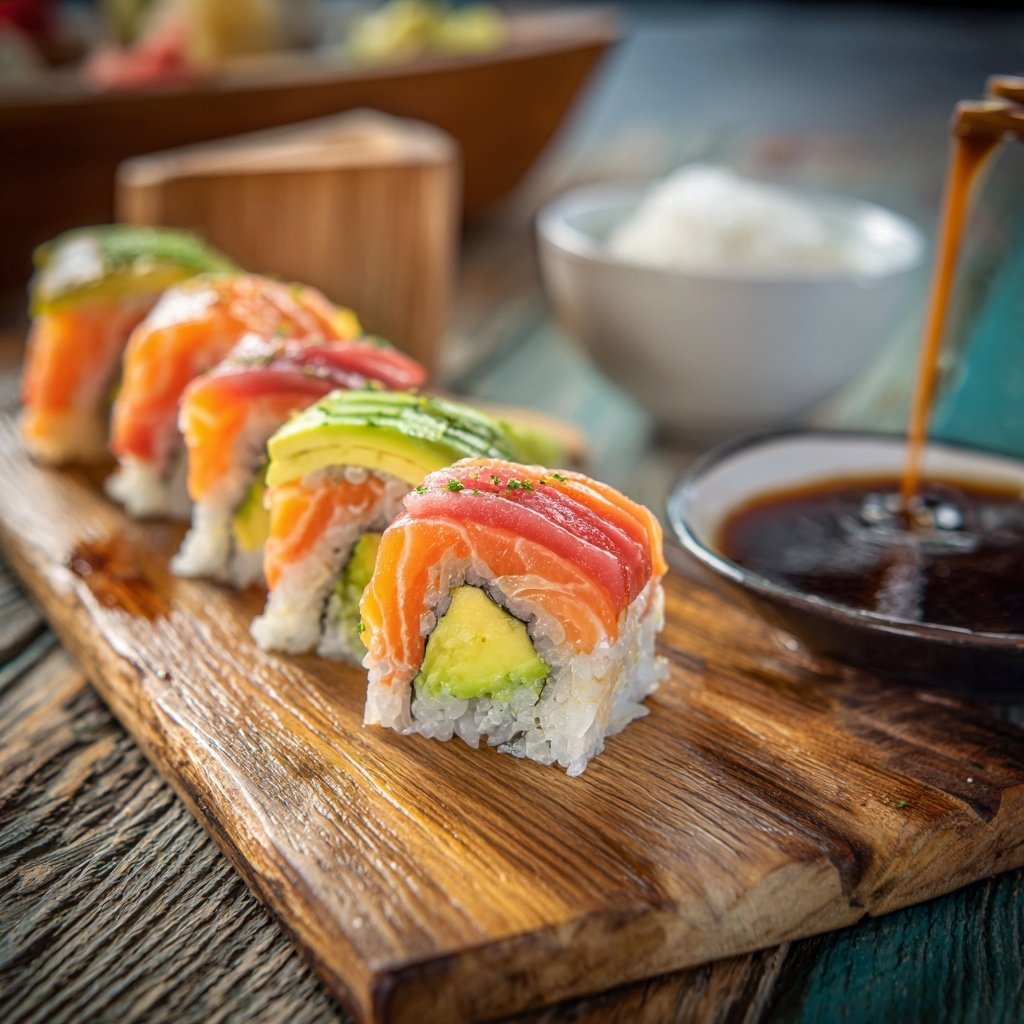
Recently, I hosted a sushi night with some friends, and we had so much fun rolling our own Global Japanese Sushi Rolls. I decided to experiment by using a variety of fillings, from classic tuna to grilled vegetables. The key to a great roll is not just the quality of the fish, but also the balance of flavors and textures, which makes every bite satisfying and delicious.
One thing I learned is that using a bamboo mat really helps with the rolling process, giving the rolls a perfect shape. Don't be afraid to play around with sauces and toppings, like a drizzle of spicy mayo or a sprinkle of sesame seeds, to enhance the flavor. It’s all about creativity and having fun in the kitchen!
Reasons You'll Love These Sushi Rolls
- Endless possibilities with fillings ranging from seafood to vegetables
- A fun and interactive way to enjoy dinner with friends
- Fresh, mouthwatering flavors that transport you to Japan
Mastering Sushi Rice
The foundation of great sushi is perfectly cooked sushi rice. It should be sticky yet tender, allowing the rolls to hold together without crumbling. Proper rinsing is crucial; rinse the rice thoroughly under cold water until the water runs clear, which typically takes about five minutes. This process removes excess starch, preventing the rice from becoming gummy during cooking.
Once cooked, allow the rice to cool slightly before seasoning it with a mixture of rice vinegar, sugar, and salt. This addition not only enhances the flavor with a touch of acidity but also gives the rice a glossy finish. I recommend using a wooden paddle or spatula to gently fold in the seasoning without crushing the grains, achieving that ideal balance of flavors and textures.
Choosing the Right Fillings
The fillings you select can make or break your sushi rolls. High-quality, sushi-grade fish is essential; look for fish with a bright color and a fresh smell. Tuna and salmon are popular choices, but don’t be afraid to experiment with cooked seafood like shrimp or crab. For vegetarian options, you can add ingredients like bell peppers or sprouts for a delightful crunch.
Layer your chosen fillings thoughtfully. Slices of avocado add creaminess, while julienned carrots and cucumbers provide a fresh, crisp texture. I often enjoy adding herbs like cilantro or mint for an unexpected burst of flavor. Just remember not to overload your rolls; a well-balanced suite of flavors enhances the overall experience and makes rolling easier.
Slicing Your Sushi Like a Pro
Slicing your sushi at the right moment and with the right technique is crucial for presentation. Use a sharp, wet knife to slice your rolls, as it prevents the rice from sticking to the blade. I usually moisten my knife with water between cuts to ensure clean edges. Slice the roll into pieces that are about an inch thick for easy handling and a bite-sized experience.
After slicing, serve your rolls immediately for the best texture. If you’re preparing them ahead, cover them with a damp cloth to prevent drying out. I often recommend serving sushi with additional condiments like soy sauce, wasabi, and pickled ginger on the side to allow guests to customize their flavor experience.
Ingredients
Gather all your ingredients for a smooth sushi-making experience:
Sushi Rice
- 2 cups sushi rice
- 2 1/2 cups water
- 1/4 cup rice vinegar
- 2 tablespoons sugar
- 1 teaspoon salt
Fillings
- 4 sheets nori (seaweed)
- 1/2 pound sushi-grade raw fish (like tuna or salmon)
- 1 avocado, sliced
- 1 cucumber, julienned
- 1 carrot, julienned
Condiments
- Soy sauce
- Wasabi
- Pickled ginger
Don’t forget to have a bowl of water nearby for your hands. It helps to prevent the rice from sticking.
Instructions
Follow these steps to craft your delicious sushi rolls:
Prepare the Sushi Rice
Rinse the sushi rice under cold water until the water runs clear, then drain. Combine it with 2 1/2 cups of water in a rice cooker and cook according to the manufacturer's instructions. Once done, let it cool slightly and mix in the rice vinegar, sugar, and salt.
Assemble the Ingredients
Place a bamboo sushi mat on a flat surface. Lay a sheet of nori on the mat, shiny side down. With wet hands, spread a thin layer of sushi rice evenly over the nori, leaving a 1-inch margin at the top.
Add Fillings
Arrange your choice of fillings, such as slices of raw fish, avocado, and cucumber, along the center of the rice. Be careful not to overfill.
Roll and Slice
Using the bamboo mat, start rolling the sushi away from you, applying gentle pressure to keep it tight. Roll all the way to the top and use a sharp knife to slice the roll into bite-sized pieces.
Serve your sushi rolls with soy sauce, wasabi, and pickled ginger for a complete experience!
Pro Tips
- Feel free to experiment with other fillings like cream cheese, spicy crab, or even tempura vegetables. The beauty of sushi is the endless customization options available!
Making Sushi Ahead of Time
If you're planning a gathering, sushi rolls can be made ahead of time but require careful storage. After rolling and slicing, arrange the sushi pieces on a platter covered with a damp cloth, which helps keep them moist. Avoid refrigeration if possible, as it can affect the texture of the rice and fish. Instead, store them in a cool place until ready to serve.
For longer storage, consider freezing the sushi rolls without fish. Assemble the rice and vegetables, roll them tightly, and wrap them in plastic wrap before placing them in an airtight container. When ready to eat, allow them to thaw in the refrigerator and add fresh fish before serving to keep the flavors vibrant.
Experimenting with Flavor Profiles
Don't hesitate to play with the flavor profiles of your sushi rolls. Specialty sauces like spicy mayo or eel sauce can be drizzled on top for an extra layer of flavor. Introducing ingredients like cream cheese or tempura bits can create a delicious fusion style. For those with dietary restrictions, consider using cauliflower rice as a substitute for traditional sushi rice, which reduces carbs and adds a unique taste.
Additionally, exploring global influences can enhance your sushi. Think outside the box by incorporating ingredients like smoked salmon with cream cheese for a twist that resembles a bagel. The key is to keep experimenting until you find the combinations that resonate with your palate and those of your guests.
Troubleshooting Common Sushi Issues
If your sushi rolls are falling apart, it’s likely due to insufficient moisture in the rice or overfilling. Ensure your rice is sticky enough and be cautious about how much filling you use. A good rule of thumb is to lay no more than two ounces of fillings in the center. If your nori isn’t sealing well, a touch of water along the edge can help it stick during rolling.
Another common issue is the rice being too dry or tough after cooking. It’s crucial not to skip the resting period after cooking; this allows the moisture to redistribute evenly. If you find your sushi rice too dry upon mixing in the vinegar, try adding a touch more water while tossing to achieve perfect consistency. With practice, you'll become more adept at recognizing these nuances.
Questions About Recipes
→ Can I use brown rice instead of white sushi rice?
Yes, but brown rice has a different texture and flavor. Make sure to adjust the cooking time accordingly.
→ What if I don’t have a bamboo mat?
You can use a clean kitchen towel as a makeshift mat. Just make sure it’s flat and doesn’t soak up water from the rice.
→ How do I store leftover sushi?
It's best to consume sushi fresh. If you have leftovers, store them in an airtight container in the fridge for up to 24 hours.
→ What are some common sushi fillings?
Common fillings include tuna, salmon, shrimp, cucumber, avocado, and even fruits like mango.
Global Japanese Sushi Rolls
Created by: The Quickflavors Team
Recipe Type: Borderless Food
Skill Level: Intermediate
Final Quantity: 4 rolls
What You'll Need
Sushi Rice
- 2 cups sushi rice
- 2 1/2 cups water
- 1/4 cup rice vinegar
- 2 tablespoons sugar
- 1 teaspoon salt
Fillings
- 4 sheets nori (seaweed)
- 1/2 pound sushi-grade raw fish (like tuna or salmon)
- 1 avocado, sliced
- 1 cucumber, julienned
- 1 carrot, julienned
Condiments
- Soy sauce
- Wasabi
- Pickled ginger
How-To Steps
Rinse the sushi rice under cold water until the water runs clear, then drain. Combine it with 2 1/2 cups of water in a rice cooker and cook according to the manufacturer's instructions. Once done, let it cool slightly and mix in the rice vinegar, sugar, and salt.
Place a bamboo sushi mat on a flat surface. Lay a sheet of nori on the mat, shiny side down. With wet hands, spread a thin layer of sushi rice evenly over the nori, leaving a 1-inch margin at the top.
Arrange your choice of fillings, such as slices of raw fish, avocado, and cucumber, along the center of the rice. Be careful not to overfill.
Using the bamboo mat, start rolling the sushi away from you, applying gentle pressure to keep it tight. Roll all the way to the top and use a sharp knife to slice the roll into bite-sized pieces.
Extra Tips
- Feel free to experiment with other fillings like cream cheese, spicy crab, or even tempura vegetables. The beauty of sushi is the endless customization options available!
Nutritional Breakdown (Per Serving)
- Calories: 250 kcal
- Total Fat: 7g
- Saturated Fat: 1g
- Cholesterol: 30mg
- Sodium: 50mg
- Total Carbohydrates: 40g
- Dietary Fiber: 2g
- Sugars: 1g
- Protein: 8g